

In recent years, Ground Penetrating Radar, commonly known as GPR, is now a vital resource for various building and surveying projects across the Yorkshire region. This non-invasive approach permits us to examine beneath the surface of the earth, giving an understanding of underground structures and utilities without the requirement for digging. As cities grow and infrastructure initiatives become more complex, understanding the layers beneath our feet has become essential.
Whether you are a construction professional planning a new development, a historian exploring archaeological sites, or a homeowner aiming to guarantee the safety of your ground work, GPR surveys offer a wealth of information. From finding concealed Topographic Surveys Halifax Yorkshire and old mine shafts to evaluating concrete structures and documenting undocumented features, the capabilities of GPR technology are vast and varied. In this piece, we will explore the various aspects of GPR surveys in Yorkshire, detailing their significance, methodologies, and the ideal approaches for guaranteeing successful results in any ground investigation project.
Grasping GPR Studies in the Yorkshire Region
Ground Penetrating Radar (GPR) assessments have become an crucial tool in the Yorkshire Region for numerous uses, particularly in building and archaeology. GPR employs elevated frequency electromagnetic waves to advance into the soil and deliver comprehensive pictures of below-surface features and services. This method enables surveyors to detect and map below-ground elements, such as pipes, lines, and also voids, that are vital for avoiding financially burdensome and dangerous utility interruptions during construction work.
In Yorkshire, the necessity for GPR studies is notably important due to the region's intricate geology and mixed construction background. Soil conditions, like clay and water content, can greatly influence the extent of penetration and the accuracy of the results gathered. Understanding the regional context helps surveyors to enhance their methodology and secure precise results, rendering GPR an effective method for site assessment and risk management.
Furthermore, following standards such as the PAS 128 standard for utility location is crucial for compliance and safety on building sites in the Yorkshire Region. GPR studies, when coupled with supplementary methods like electromagnetic detection and topographic mapping, provide thorough insights into underground conditions. This comprehensive method not just boosts planning for projects but also facilitates the preservation of heritage, as GPR can be utilized to study archaeological sites and forgotten burials across the area.
Uses of GPR in Construction and Historical Research
GPR has emerged as an invaluable asset in the infrastructure sector, providing critical information prior to excavation begins. In GPR Surveys Yorkshire , GPR scans help determine the site of subsurface services such as non-metallic pipes and cables, which can stop expensive damages during building projects. The ability to visualize subsurface environments enables project managers to organize safe and effective workflows, thus reducing setbacks and likely risks on-site. Additionally, Ground Penetrating Radar inspections can assess the structural integrity of concrete slabs, showing the presence of rebar, post-tension cables, and conduits that need to be considered during coring or boring activities.
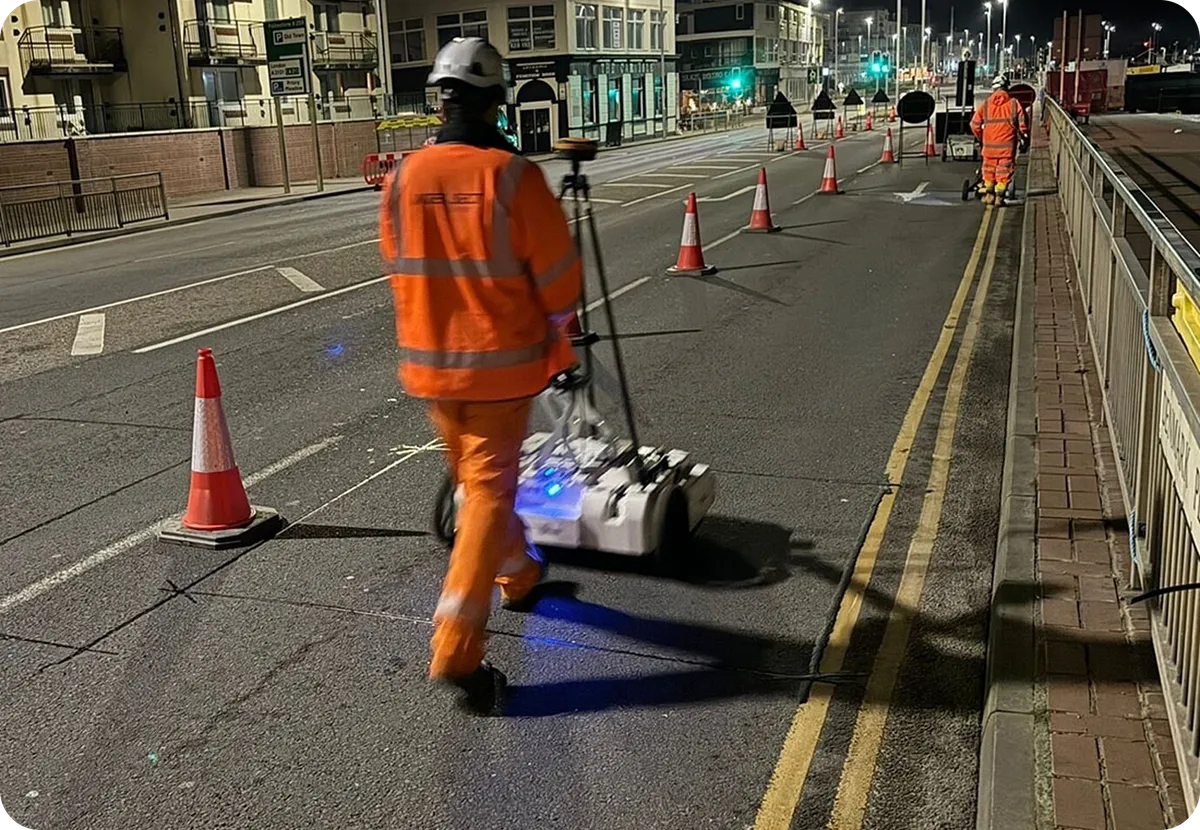
In historical research, GPR plays a important role in uncovering ancient artifacts without disrupting the area. It has been especially effective in mapping grave plots and unidentified burials in historic churchyards across the Yorkshire region, allowing researchers to catalog important findings while maintaining the integrity of the site. Furthermore, Ground Penetrating Radar can identify subsurface voids and other irregularities that may point to previous human activity, providing insights into past landscapes and ancient settlements without intrusive excavation practices.
Beyond construction and archaeology, GPR also offers applications for environmental assessments and soil investigations. In the city of Leeds and Sheffield city, for instance, Ground Penetrating Radar inspections can guarantee safe borehole and trial pit clearance by locating hazards like abandoned mine shafts or subsurface voids. This comprehensive approach boosts safety and compliance with regulations such as HSG47, making GPR a vital tool for different sectors. By integrating Ground Penetrating Radar surveys with additional methods like electromagnetic locating and landform mapping, Yorkshire experts can achieve thorough site assessments tailored to their specific requirements.
Cost and Considerations for GPR Surveys
The expenses of GPR surveys in Yorkshire can fluctuate based on multiple factors, including the area of the area being surveyed, the complexity of the site, and individual requirements of the project. Generally, smaller projects or simple surveys prove to be more cost-effective, while larger or more complex sites, like those with thick urban infrastructure, may incur higher costs. It is essential to request quotes from various survey contractors to ensure a fair rate.
When organizing for a GPR survey, aspects such as site accessibility, the availability of underground services, and potential environmental impacts must be assessed. Knowledge of these factors assists in financial planning but also helps facilitate a more efficient survey process. Working with local survey professionals can provide insights into unique challenges or opportunities pertaining to the Yorkshire terrain.
Finally, understanding your assignment's specific needs is key to making wise decisions regarding GPR surveys. Evaluate factors like desired depth of investigation, types of items to be detected, and the level of detail needed in the final report. Customizing the approach to these factors can lead to enhanced outcomes and substantial cost reductions, in the end maximizing the value of the GPR survey.